
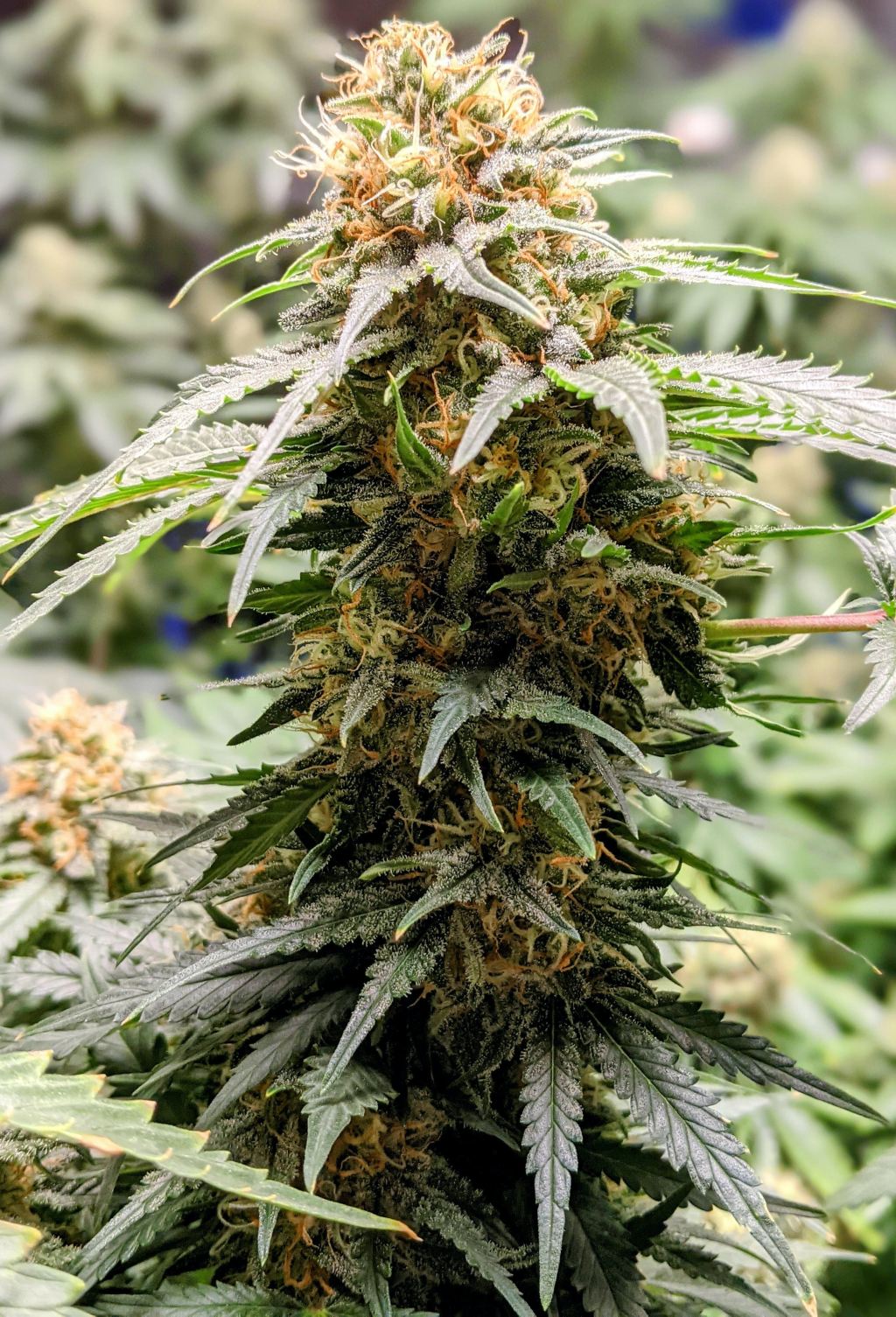
Hydroponics, a soilless method of growing plants using water as the primary medium, has become a popular means of cannabis cultivation. As cannabis legalization progresses worldwide, so too does the exploration of alternative growing methods, among which hydroponics stands out due to several advantages. This method can trace its roots back to as early as 1699, when English scientist John Woodward used it to cultivate spearmint plants.
Benefits of Hydroponic Cannabis Cultivation
Hydroponic systems present numerous advantages, which include rapid growth and higher yields. Cannabis plants in hydroponic systems grow 30-50% faster than those in soil-based setups and often provide larger yields. The nutrients within a hydroponic system are much more readily available to the plants as they’re suspended in water and enter directly into the root system. This bypasses the need for the plants to navigate through soil to find nutrients, thus allowing the plants to save energy that can be allocated for growth.
Active vs Passive Hydroponics
Hydroponic systems fall into two primary categories: active and passive systems. Active systems use electric pumps to move nutrient solutions and air stones to oxygenate the water. Passive systems, on the other hand, utilize more straightforward designs. These systems rely on low-tech methods to deliver water and nutrients to cannabis roots without using additional electricity, making them ideal for beginners.
One of the most popular passive hydroponic systems is the Kratky method, a low-cost, uncomplicated approach ideal for novices. These systems are cost-effective, easy to set up, require less electricity, and provide a great introduction to hydroponic cultivation.
Active hydroponic systems, while more complex and susceptible to power outages, are optimal for larger growing operations. Their main benefits include water efficiency, ample oxygen provision, and the potential for automation, courtesy of modern innovations.
Setting Up Your Hydroponic System
The cost of a hydroponic system can range widely, from a simple plastic bucket to self-draining and flooding systems, depending on your budget and needs. For those interested in DIY, you can construct a basic indoor setup with a list of equipment, including lighting, grow tent, ventilation fan, hydroponic nutrients, a pH and TDS/EC meters, among others.
The first step to getting your hydroponic grow started is choosing a growing medium. Clay pebbles, rockwool, perlite, and coco coir are common choices. Each offers unique benefits and works better with different systems.
Next, choose your hydroponic setup. Systems vary in terms of water exposure and circulation. The Kratky method, deep water culture, ebb and flow (also known as flood and drain), drip system, nutrient film technique, wick system, and aeroponics are all viable options. Each has its unique setup and functioning but utilizes a nutrient-enriched water solution.
Preparing and Maintaining Your System
Once your system is chosen, sterilization is crucial. The humid and dark nature of water tanks makes them ideal for pathogen growth. Sterilize all your buckets, trays, pipes, and tanks with rubbing alcohol, hot water, and peroxide. Then, follow the instructions to set it up correctly.
Regular maintenance of your hydroponic system is necessary. Monitor the pH of the water regularly, aiming for a slightly acidic environment (pH of 5.5-5.8) for nutrient absorption. During flowering, a pH of 6 is preferred. Water temperature should ideally be around 20°C, which can be monitored using a water thermometer. Providing the correct quantity of nutrients and keeping the setup clean is also essential to prevent contamination.
In conclusion, hydroponic growing offers significant benefits, particularly for cannabis cultivation. It can be a cost-effective and efficient method of production, offering higher yields and faster growth. However, it does require more attention to detail, consistent monitoring, and frequent maintenance. With the correct setup, tools, and dedication, hydroponic cannabis cultivation can indeed be the future of this thriving industry.
 Terpool
Leave a comment