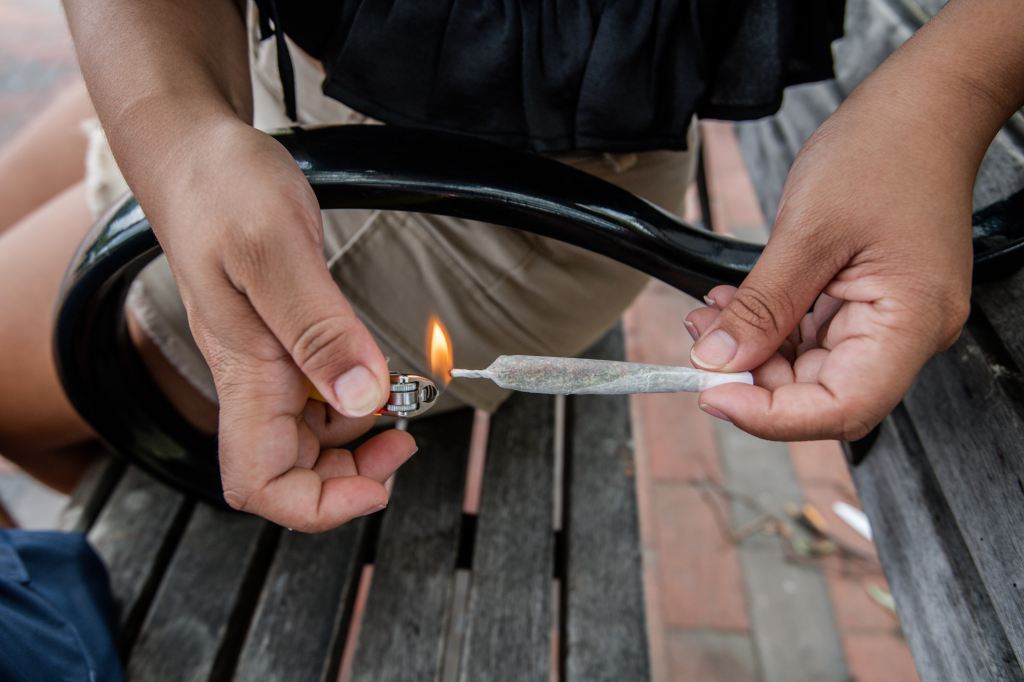
Marijuana, colloquially hailed as a harmless herbal remedy by some and demonized as a potent drug by others, has seen a considerable transformation over the decades. While it might conjure images of laid-back ’60s counterculture for older generations, today’s cannabis is not what it used to be. The ever-climbing THC levels mean that younger users are dancing to a much different, more intense tune. The gulf between these generational experiences with cannabis underscores the importance of catering to the diverse and evolving needs of users.
From 10% to 30%: The Soaring THC Levels
In the late 20th century, cannabis predominantly featured THC levels around the 10% mark. Fast-forward to today, and according to a Colorado study, potency values have reached heights of nearly 30%. This threefold increase is, in part, a result of market demands; consumers have been chasing a stronger high. As Andy LaFrate, the study’s lead researcher, pointed out, it’s startling to see the strength of modern cannabis, especially when considering the historical context.
Implications for Generational Interactions with Cannabis
A puff taken by a Baby Boomer during their youthful days differs vastly from a hit inhaled by a Gen Z individual today. For the older generation, the euphoria was milder, more reminiscent of a gentle sway. In contrast, the younger lot might feel as if they’re on an adrenaline-pumping roller coaster ride.
These variances have serious implications. The experiences and stories shared by an older individual about their mellow highs can dangerously underrepresent the potency and potential side-effects of today’s strains to a younger user. And while the elder might reminisce about the soft tunes of The Beatles, the youth may face a more intense and potentially overwhelming psychedelic experience, similar to a rave party’s pulsating beats.
The altered ratio of THC to CBD is another factor. CBD, believed to counterbalance the intense effects of THC, has waned over the years. Older strains likely had a more balanced THC to CBD ratio, resulting in gentler experiences. Today’s cannabis, with its heightened THC and diminished CBD, offers a contrasting encounter.
The Need for Cannabis Personalization
Beyond generational divides, individual tolerances and preferences play a pivotal role in cannabis consumption. Not every individual seeks an intense high, and with the decreasing CBD levels, those relying on cannabis for therapeutic purposes might not be getting their anticipated relief.
The uniformity in the THC to CBD ratios, as noted in the study, indicates a trend towards homogenization. However, for a plant with such varied applications – recreational euphoria for some and medicinal relief for others – this one-size-fits-all approach is far from ideal.
For cannabis producers and sellers, this presents both a challenge and an opportunity. The challenge lies in offering products tailored to individual needs, which can be daunting given the complexity of the cannabis plant and the myriad ways in which individuals interact with it. However, therein also lies the opportunity: to pioneer a new era of cannabis personalization.
The potential for personalization is immense, from strains that cater specifically to the older generation looking to relive their youthful days without the overwhelming intensity, to blends that maximize therapeutic effects without the high.
Concluding Thoughts: A Future Tailored to the Individual
The cannabis industry stands at a fascinating crossroads. On one hand, there’s a pressing need to address the intensifying potency and its implications on public health, bridging the generational experience gap. On the other hand, there’s the exciting realm of cannabis personalization, which promises a tailored experience for each individual, be it for therapeutic, recreational, or any other purpose.
Cannabis has evolved, and with it, the needs and preferences of its consumers have transformed. The way forward? A world where cannabis offerings are as diverse and personalized as the individuals who seek them.
In this evolution, transparency and research are paramount. As the industry matures, it needs to ensure that it’s not just about getting high, but about offering a high-quality, individualized experience for all.
 Terpool
Leave a comment